
Practical guidance for your boat
Practical guidance to help you assess a situation, prepare for maintenance and send more useful photographs.
- Practical preparation
- Clear trade-offs
- No invented prices or results
Choose the guide that fits your enquiry
These articles support the service pages. A technical decision still requires an assessment of the specific boat.
Season & winter preparation
From winter preparation to the first checks in spring.
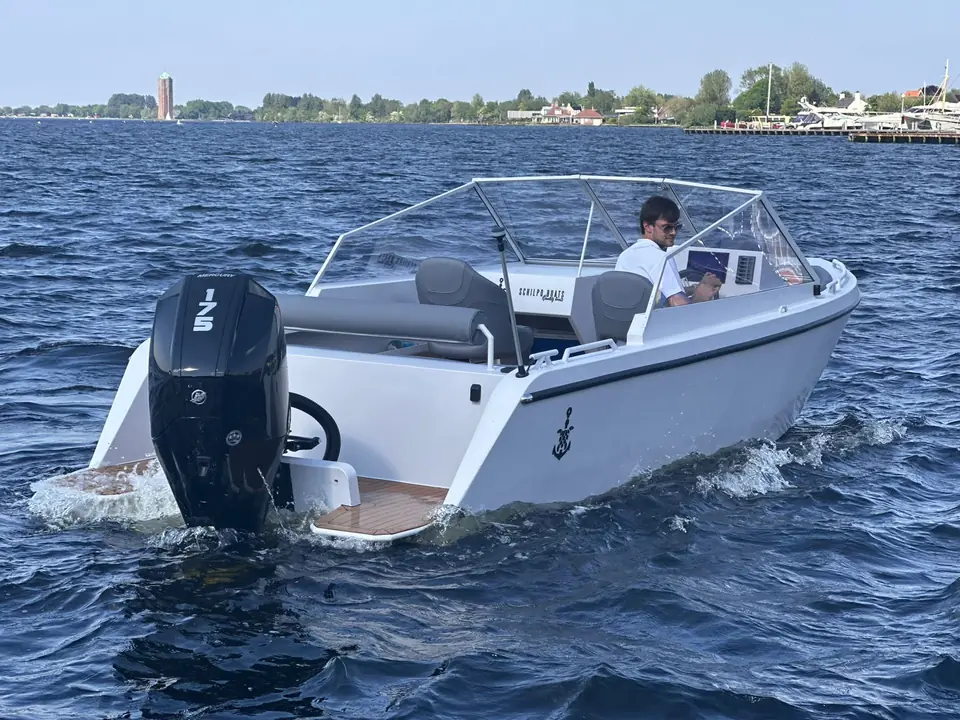
Preparing your boat for winter: a practical checklist
Winter preparation involves more than fitting a cover. Leaving the boat dry, technically checked and with a clear spring list saves unnecessary detective work when the boating season returns.

Maintaining a boat battery during winter storage
A battery can deteriorate even when it is barely used for several months. Sound preparation helps prevent loose terminals, parasitic loads and an unsuitable charging routine.

Preventing damp and mould on board
A musty smell after winter rarely has one cause. Damp belongings, cold surfaces, poor air movement and a small leak often combine.
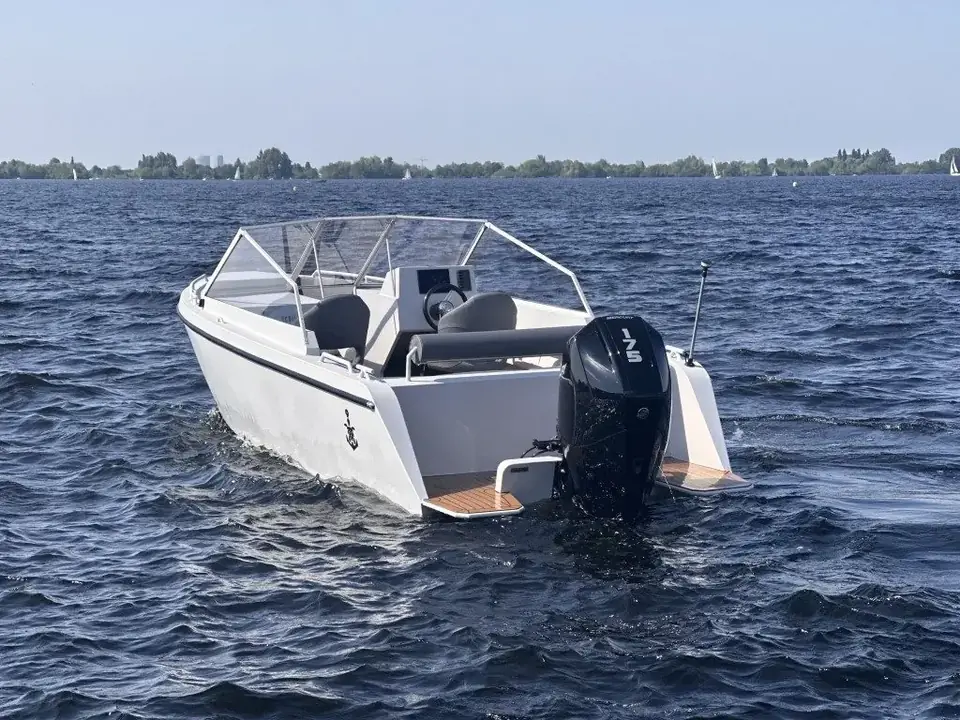
Preparing an outboard engine for winter: what to check
Leaving an outboard unused for months without preparation may lead to starting, cooling or corrosion problems in spring. The exact procedure varies by make, model and fuel system.

A practical spring checklist for your boat
Check the visible and easily testable items before planning a longer trip.
Technical issues & safety
Describe early signs involving leaks, electrics, engines and vibration more clearly.
Outboard engine maintenance: what is checked?
The checks included in a service depend on make, model, use and maintenance history. The official manual and model schedule remain authoritative.
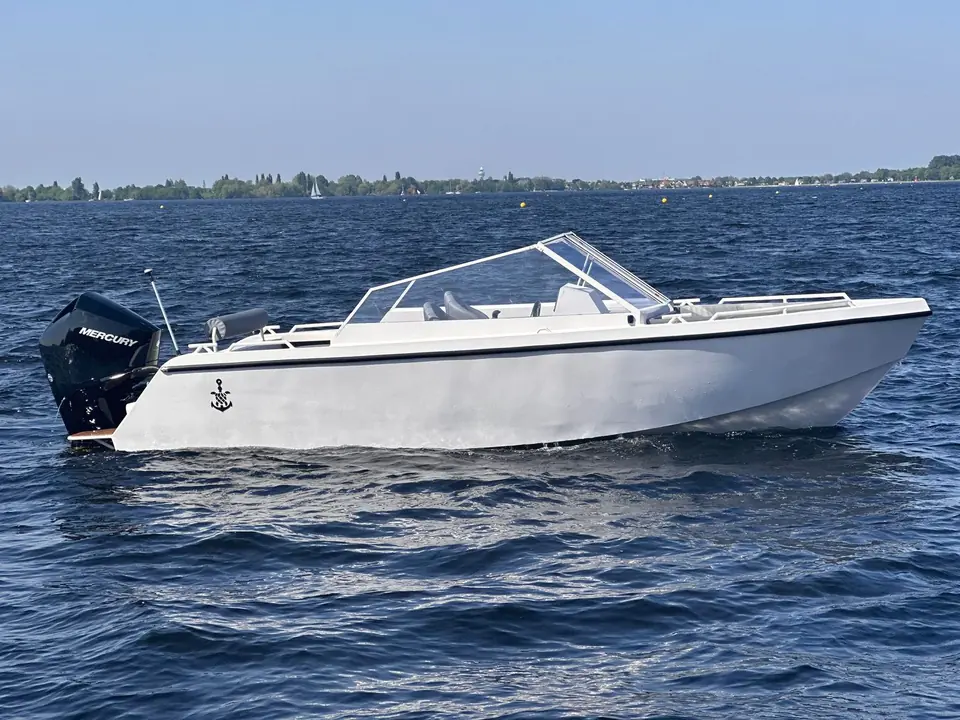
Water entering your boat: causes and initial checks
A wet bilge does not necessarily mean a major leak, but rising water must never be ignored. First establish whether the situation is stable; then search for the source methodically.
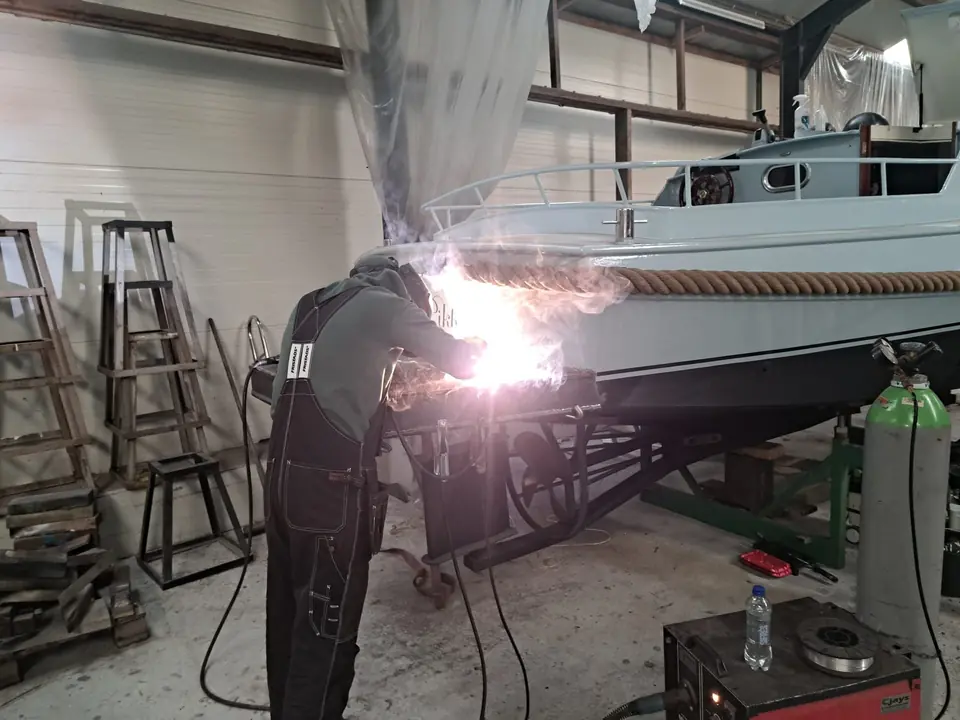
Boat engine will not start after winter: what to check first
After months of inactivity, it is tempting to try again immediately. First establish exactly what the engine does: no response, slow cranking, normal cranking without firing, or starting and then stopping?
Boat electrical fault: safe first checks
Have the lights failed, has a pump stopped or is an instrument suddenly unresponsive? Do not start by replacing random parts. First decide whether the problem affects one circuit or the whole system, while avoiding any action that could worsen a short circuit, heat or damage.
Boat battery drains or will not charge: possible causes
A flat boat battery does not automatically mean that the battery itself has failed. A load may remain active, a connection may be poor, or the charger or charging source may not suit the system. The pattern of use often provides the first clue.
Boat engine overheating: warning signs and first checks
A temperature warning, steam, loss of power or unusual smell needs immediate attention. Continuing to see whether it clears can turn a minor cooling fault into engine damage. Prioritise safety and controlled cooling.
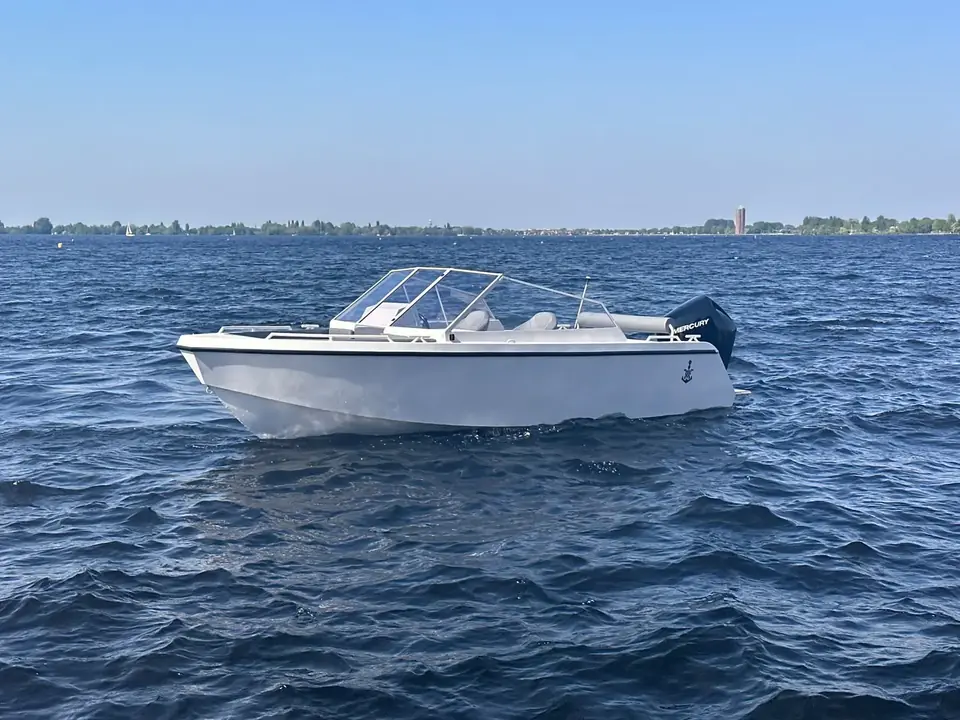
Boat vibrates while under way: possible causes
New or increasing vibration is useful evidence: it indicates that a rotating part, engine behaviour or loading has changed. Recording speed, engine rpm and conditions avoids turning a vague sensation into random repairs.
Cleaning & deck
Practical guidance on cleaning, gelcoat and synthetic teak.
Boat cleaning and polishing: understanding the difference
Choose the treatment according to material, condition and the result you expect.
Maintaining a synthetic teak deck: a careful approach
Gentle cleaning and inspection keep dirt and small issues manageable.
Dull or chalky gelcoat: clean, polish or repair?
A white haze or powdery surface may be contamination, but oxidation is often involved. Polishing can restore gloss when enough sound gelcoat remains; cracks, blisters and deep damage require a different assessment first.
Synthetic teak or real teak: which suits your boat?
Real and synthetic teak can both create a warm deck appearance, but they differ in material behaviour, care and repair. The best choice is not based on one feature: use, substrate, detailing and expectations must work together.
Synthetic teak deck lifting or blistering: what next?
A raised edge, blister or hollow area is more than a cosmetic defect. Water and dirt may travel further beneath the deck, while heat and traffic enlarge the loose area. Establish the extent and likely cause first.
Aluminium & materials
Recognise and assess common questions around aluminium parts and corrosion.
Repair or replace an aluminium boat part?
Function, load, material condition and access help determine the right route.
Recognising corrosion on an aluminium boat
Aluminium naturally forms a thin protective oxide layer, so not every colour change means serious damage. White deposits, pitting, blisters beneath a coating or attack around dissimilar metals do deserve investigation.
Costs & quotations
Prepare a more useful enquiry with photographs and relevant cost factors.
Which photos help with a boat service quote?
A consistent photo series gives context for location, scale and attachment.
What determines the cost of boat cleaning?
Length alone does not show how much work condition, access and the required finish involve.
What does a synthetic teak deck cost?
Area, geometry, substrate, plank layout, measuring and installation determine the work involved in a made-to-measure deck.
What an article can and cannot tell you
A guide can help you recognise signs and prepare a request. It does not replace a manual, measurement or inspection where material, safety or structure are decisive.